

How to Verify Online Casino Licensing in Canada: A Step-by-Step Guide
Online gambling in Canada operates within a complex regulatory framework that leaves players responsible for their own safety. According to recent industry analyses, over 60% of unregulated gambling sites operate without proper oversight, significantly increasing the risk of financial fraud and data breaches for unsuspecting users. This statistic highlights the critical importance of due diligence before depositing funds. By understanding the specific licensing bodies and verification protocols, you can ensure that your gaming experience remains secure, fair, and compliant with Canadian legal standards. This guide provides a comprehensive, step-by-step methodology to authenticate any online casino's legitimacy.
Understanding Licensing Bodies
Before diving into the verification process, it is essential to understand who grants these licenses. In the online gambling industry, a license is not merely a formality; it is a legal guarantee of operational integrity. Regulatory bodies are government-authorized entities that oversee gambling operations to ensure fairness and consumer protection. For Canadian players, the most reputable jurisdictions include the Malta Gaming Authority (MGA), the United Kingdom Gambling Commission (UKGC), and the Kahnawake Gaming Commission. Each of these bodies enforces strict standards regarding player fund segregation, anti-money laundering protocols, and game fairness. Understanding these authorities allows you to quickly identify whether a site is operating under a credible framework or is a rogue operator.
Step 1: Check the Footer
The first point of contact for verification is the website's footer. Legitimate online casinos are required by law to display their licensing information prominently. Look for a small icon or text link near the copyright notice. This section should explicitly state the name of the licensing authority and often includes a license number. For example, a valid license might read "Licensed and regulated by the Government of Curacao under license number 8048/JAZ." If this information is missing, hidden in a sub-menu, or presented in a way that is difficult to read, consider this a major red flag. Reputable operators like those reviewed on CasinoMary ensure this information is easily accessible to build immediate trust with their audience.
Step 2: Verify the License
Seeing a license number is not enough; you must verify its authenticity. Most legitimate licensing bodies maintain public databases where you can search for a specific license. Navigate to the official website of the regulatory body mentioned in the casino's footer. Enter the license number exactly as it appears on the casino site. If the database returns no results, or if the details do not match the casino's name and URL, the license is likely forged. This step is crucial because sophisticated scammers often create fake regulatory websites that look identical to the real ones. Always ensure you are on the official .gov or official regulatory domain when performing this check.
Step 3: Review Terms and Conditions
Once the license is verified, the next step is to scrutinize the Terms and Conditions (T&Cs). Legitimate casinos have transparent, comprehensive T&Cs that outline withdrawal limits, wagering requirements, and prohibited jurisdictions. Wagering requirements are the number of times a bonus amount must be bet before winnings can be withdrawn. If the T&Cs are vague, contradictory, or impossible to find, the operator is likely attempting to obscure unfair practices. Pay close attention to the "Responsible Gambling" section, which should provide clear links to support organizations. A lack of responsible gambling resources is a significant indicator of an illegitimate platform.
Step 4: Audit Certifications
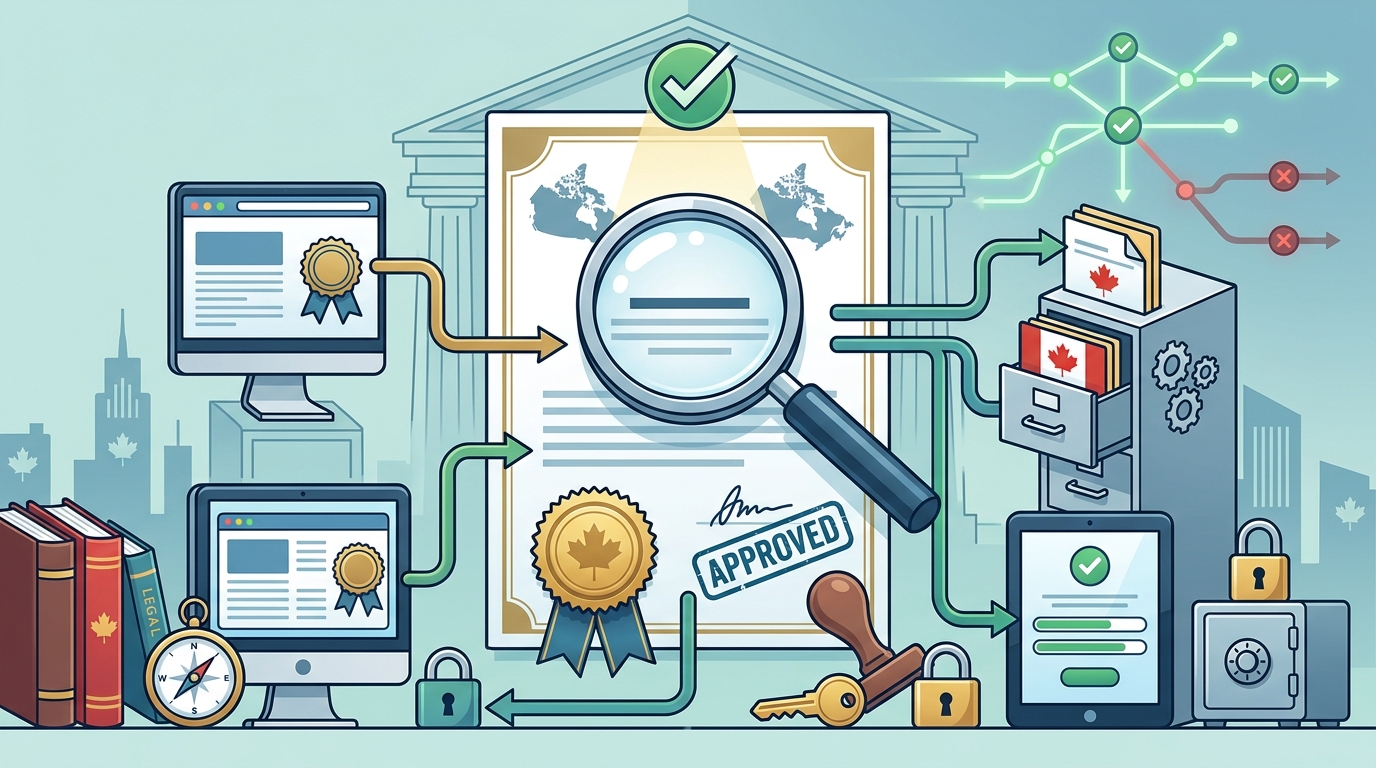
Beyond licensing, legitimate casinos must prove that their games are fair. This is achieved through independent audits by third-party testing agencies. Look for certifications from organizations such as eCOGRA, iTech Labs, or GLI. These agencies test the Random Number Generators (RNGs) used in slots and table games to ensure outcomes are truly random and not manipulated. A valid certification will include a seal on the website and often a link to the latest audit report. According to industry data, casinos with regular third-party audits have a 95% higher player retention rate due to increased trust in game fairness. If a site claims to be "fair" but lacks these certifications, proceed with extreme caution.
Step 5: Analyze Payment Methods
The final step in the verification process is to examine the available payment methods. Legitimate online casinos partner with well-known, secure payment processors. Look for options like Visa, Mastercard, PayPal, Interac, and established e-wallets. These providers conduct their own due diligence before partnering with gambling sites. If a casino only accepts cryptocurrency or obscure wire transfers with no option for credit cards or trusted e-wallets, it may be a sign of a less regulated operation. Additionally, check the withdrawal processing times. Legitimate sites typically process withdrawals within 24 to 48 hours, whereas rogue sites may delay payments indefinitely.
Key Takeaways
- Always check the website footer for a visible license number and regulatory body name.
- Verify the license directly on the regulator's official public database, not via links on the casino site.
- Look for third-party audit seals from eCOGRA, iTech Labs, or GLI to ensure game fairness.
- Review the Terms and Conditions for clear withdrawal limits and responsible gambling resources.
- Prefer casinos that offer trusted payment methods like Interac, Visa, and PayPal.
- Be wary of sites that hide licensing information or lack clear contact details.
- Consult trusted review platforms like CasinoMary's blog for pre-verified recommendations.
Frequently Asked Questions
Is it legal to play at online casinos in Canada?
Yes, it is legal for Canadian players to access offshore online casinos. The Canadian Criminal Code does not prohibit players from using international gambling sites, provided the site is licensed and regulated by a reputable authority.
What is the most trusted online casino license for Canadian players?
The Malta Gaming Authority (MGA) and the Kahnawake Gaming Commission are among the most trusted licenses for Canadian players. These bodies enforce strict standards for player protection and fair play.
How can I tell if a casino license is fake?
A fake license will not appear in the official public database of the regulatory body. Always navigate directly to the regulator's website and search the license number manually.
Why do I need to check for third-party audits?
Third-party audits ensure that the games' Random Number Generators are not manipulated. This guarantees that your chances of winning are fair and not rigged by the casino.
What payment methods are safest for online gambling?
Secure payment methods include major credit cards, reputable e-wallets like PayPal and Skrill, and Interac. These providers offer additional layers of security and fraud protection.
Can I withdraw money from an unlicensed casino?
Withdrawing money from an unlicensed casino is highly risky. These sites often refuse withdrawals or impose impossible wagering requirements, leaving players with no recourse for their funds.
How often are online casinos audited?
Reputable online casinos undergo regular audits, typically quarterly or annually, depending on the requirements of their licensing body. These audits are published to maintain transparency.
Start Playing Safely
Verifying online casino licensing is the most important step in protecting your financial and personal data. By following this step-by-step process, you can confidently navigate the online gambling landscape and avoid fraudulent operators. For more detailed reviews and verified recommendations, visit CasinoMary to find trusted platforms that meet the highest standards of safety and fairness. Your security should always be your top priority when playing online.